Health
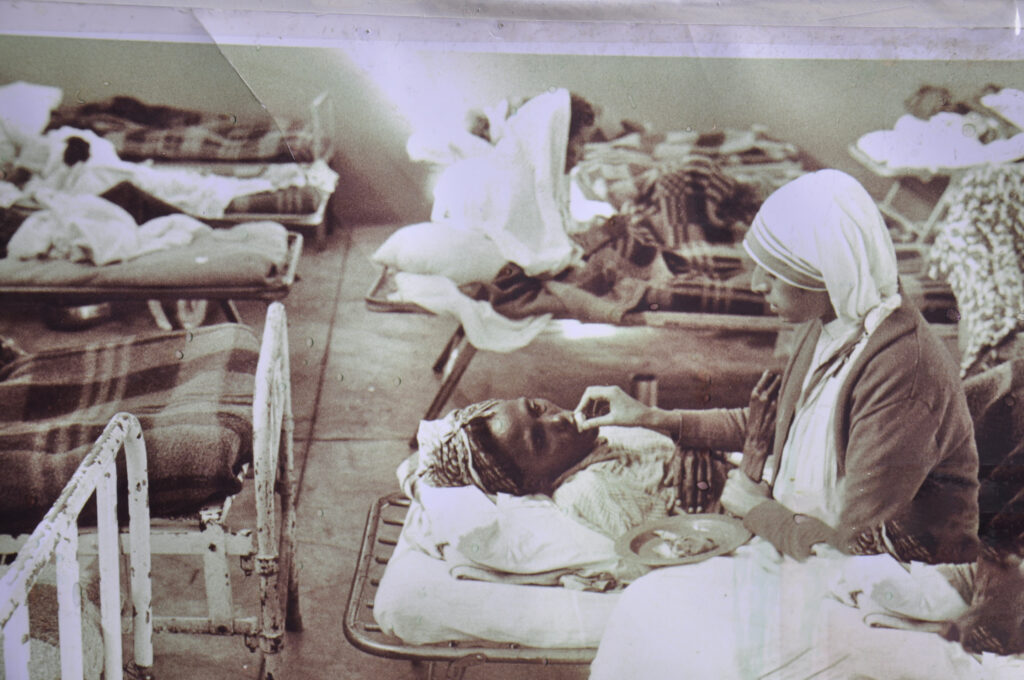
A Long-standing History of Healthcare Services
The Catholic Church in Ethiopia has a long-standing history of providing healthcare services to poor and marginalized segments of the population, irrespective of religion, gender, economic status, or age, with particular attention given to the most vulnerable. These services are delivered through a wide range of programs operating both at the facility and community levels, coordinated through 13 branch offices across the country. Facility-based healthcare services include diagnosis, treatment, disease management, and rehabilitation for various health conditions. In addition to general medical care, these facilities offer specialized services such as ophthalmology, dental extractions, gum treatment, orthopedics, and other clinical interventions.
The community-based health services focus on preventive care, health promotion, early intervention, and enhancing access to essential health systems. These services aim to improve overall community well-being and reduce disease burden through outreach, education, and grassroots-level engagement. Currently, the Ethiopian Catholic Church Social and Development Commission oversees 88 healthcare facilities nationwide. These include 6 hospitals (one of which has an affiliated nursing school), 30 health centers, 2 specialty centers, 39 medium clinics, 7 primary clinics, and 4 health posts, all operating under the coordination of the 13 branch offices. Additionally, there is an HIV Care and Counseling (HIVCC) Center located in Addis Ababa, which provides targeted support and services for individuals affected by HIV/AIDS.
Objective
To contribute to the reduction of morbidity, mortality, and disability while enhancing the overall health status of the population by offering comprehensive healthcare services that include preventive care, health promotion, rehabilitation, and curative treatments.
Scope
Facility-based services include outpatient and inpatient care, covering general and specialized consultations, diagnostics, emergency and surgical treatment, maternal and child health, and chronic disease management. Support services such as pharmacy, laboratory, radiology, and infection control are complemented by administrative systems for quality assurance and patient safety. Community-based services focus on health promotion, disease prevention, and home-based care. These include education on hygiene, nutrition, and family planning, immunization outreach, malaria and TB/HIV prevention, as well as palliative, maternal, elderly, and disability care through community engagement.
“በነፃ የተቀበላችሁት በነፃ ስጡ”

አስተንትኖ፡ የሚስዮናዊ ደቀመዝሙርነት ራስን መቻልን፣ መተማመንን እና ልግስናን ይጠይቃል። የተላክነው ለጥቅም ሳይሆን የምስራቹን ቃል ለማወጅና ለመባረክ ነው።